Cleveland & Cuyahoga County, Ohio
Basement Waterproofing in Cleveland, Where Nearly Half the Houses Predate 1940
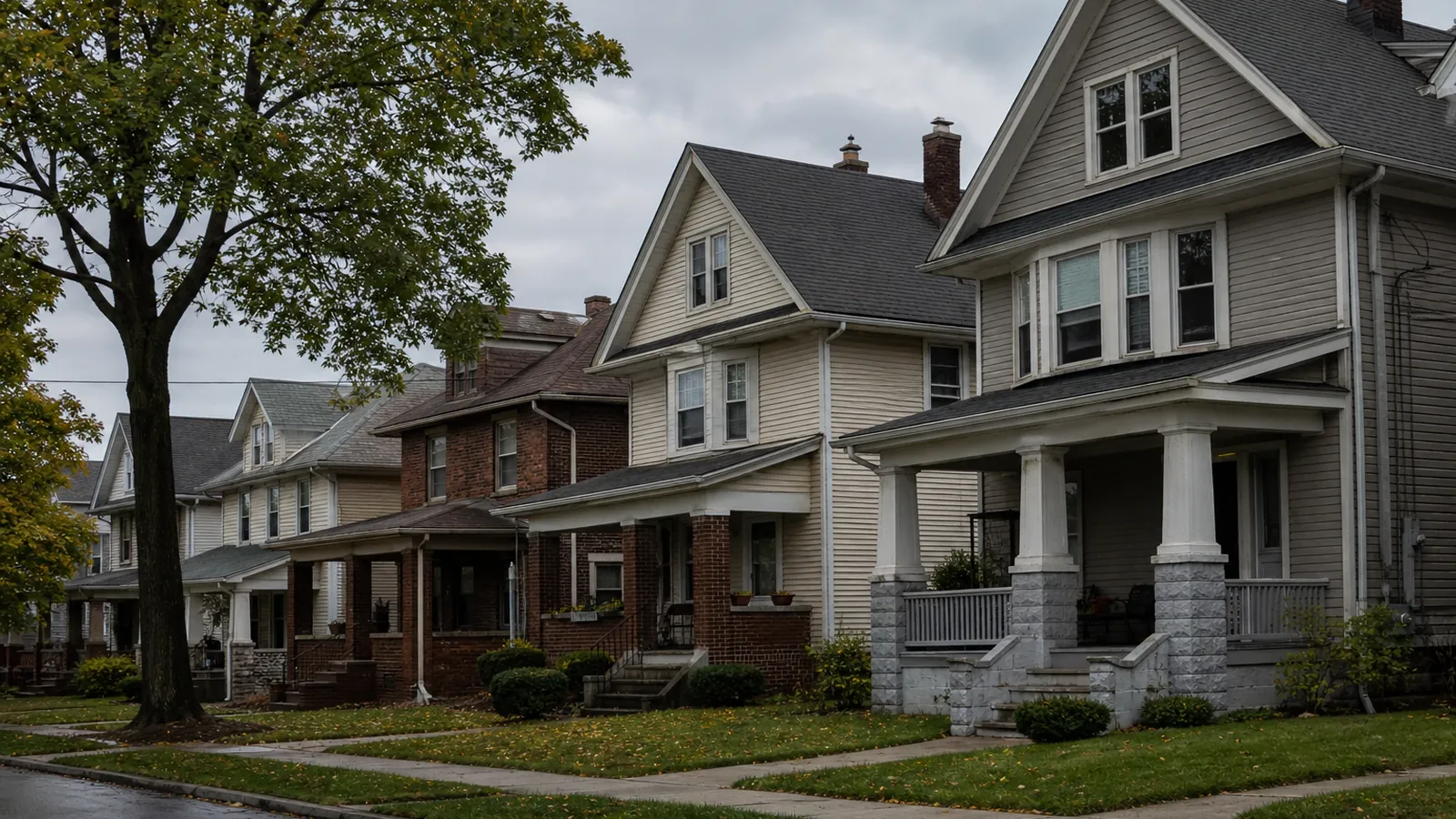
Basement waterproofing in Cleveland usually means making an old basement do a job nobody designed it for. The median house in the city was built in 1941 (U.S. Census), on masonry walls set into clay till that stays wet for much of the year. Below: where the water comes from, how it is usually stopped, and what the city and published price guides say.
Most wet Cleveland basements are dried with an interior drain tile and sump system. Fixr's 2026 guide puts a typical waterproofing job at $3,000–$10,000 and interior drains at $40–$120 a foot. Water rising from the floor drain is a sewer problem, which starts with the city and a plumber.
Why do so many Cleveland basements take on water?
Start with the ground. The Cuyahoga County soil survey lists Mahoning silt loam as the county's most extensive named soil, often mapped together with urban land. It formed in dense, clay-rich glacial till weathered from shale, water moves through it slowly, and its official description puts a seasonal water table 6 to 12 inches below the surface from October through June in most years (USDA NRCS). Across the county, about two thirds of the land the survey rates has a seasonal high water table within 18 inches of the surface.
A basement dug into that ground can sit below the water table for months at a time. Nearer the lake, sandy soils such as Elnora sit on beach ridges left by glacial lakes that once stood as much as 200 feet above today's Lake Erie (Ohio Geological Survey). Sand drains far faster, but the water still has to go somewhere. Then add the weather: Cleveland Hopkins averages 41.03 inches of precipitation spread across every month and 63.8 inches of snow (NOAA 1991–2020 normals), and 2011 broke the annual record with 65.32 inches (NWS Cleveland).
Basement waterproofing in Cleveland: the usual fixes
- Interior drain tile and a sump. A trench inside the footing collects water before it reaches the floor and a pump sends it out. It is the most common answer for an old basement here. See interior drain tile and sump systems.
- Exterior excavation. Digging to the footing, sealing the wall with a membrane and laying new drains. Thorough, and the costliest route on a tight city lot.
- Outside water control. Downspouts, grading and window wells, which cost the least and are worth checking first.
- Crack sealing. Injection for a single leaking crack in a poured wall. Leaks at walls and joints are covered on leaking basement walls.
Three pages for Cleveland basements
- Interior drain tile and sump systemsHow a perimeter trench and pump relieve water pressure in an old basement, and what to ask about the pump.
- Leaking basement walls, joints and window wellsWhere water gets through block, brick and poured walls, and when sealing, regrading or digging outside makes sense.
- Foundation repair for bowing block wallsHorizontal cracks, leaning walls, anchors, braces and rebuilds, with the published price ranges.
- Cleveland basement waterproofing cost guideDrain tile, sumps, exterior digs, crack injection and wall bracing, each range credited to its guide.
Before anyone opens the floor
- Sewer backup or groundwater? Reading the waterCombined sewers, the city's curb rule, and the clues that tell sewage from seepage.
- What each damp spot, crust and crack usually meansWhite crust, wet floor joints, spring-only leaks, musty air, sideways cracks and a pump that never stops.
Is it groundwater or the sewer?
Cleveland's earliest sewers are combined sewers, carrying sewage, rain and snowmelt in one pipe (Northeast Ohio Regional Sewer District). In a hard storm, water can come up through a basement floor drain instead of through the walls, and no amount of drain tile fixes that. The city's Division of Water Pollution Control makes owners responsible for sewer trouble from the house to the curb and asks to inspect its side first. The sewer backup or groundwater guide shows how to tell the two apart.
When the wall itself is moving
A long horizontal crack halfway up a block wall, or a wall that leans in at the middle, is a foundation question as well as a water one. Wet clay pushes hardest when it is saturated or frozen, and Cleveland Hopkins records about 111 nights a year at or below freezing (NOAA). Anchors, steel braces or a rebuild come before any waterproofing on that wall. See foundation repair for bowing walls.
Permits, the Ohio code and who does the work
Cleveland's Department of Building and Housing requires permits for repairs and alterations, issues them only to contractors registered with the city in their trade, and inspects waterproofing and drain tile before a trench is backfilled. The Residential Code of Ohio lets an existing house with an interior drainage system tied to a sump skip exterior dampproofing (Ohio Adm. Code 4101:8-4-01). Ohio's state licensing board covers electrical, HVAC, plumbing, hydronics and refrigeration, so there is no state waterproofing license to look up; ask about city registration instead.
This site is an independent local resource and does none of the work. A request sent through the form goes to one independent basement specialist who works in Cleveland, and that specialist pays the site for the referral. Prices for every method are in the Cleveland basement waterproofing cost guide.
Questions homeowners ask
Why does my Cleveland basement leak in spring and stay dry in August?
Because the water table moves. The official description of Mahoning soil, the county's most common named soil, puts a seasonal water table 6 to 12 inches below the surface from October through June. Snowmelt adds to it: Cleveland Hopkins averages 45.7 inches of snow from December through February (NOAA). By late summer the ground has drained down below the floor.
Is drain tile inside the basement as good as digging outside?
For most older Cleveland basements it does the job at a fraction of the cost. An interior system relieves water pressure under the floor and at the footing, and Ohio's residential code accepts it for existing homes in place of exterior dampproofing. Digging outside also seals the wall face, which can matter for a finished basement or a crumbling block wall.
Does a basement need a permit to be waterproofed in Cleveland?
Usually, yes. Cleveland requires permits for repairs and alterations and lists an inspection before waterproofing and drain tile are backfilled. Only patching-type minor repairs are exempt, and changes to drainage piping are excluded from that exemption. Ask whoever bids the job who pulls the permit and whether its cost is in the price.
Sources
- USDA NRCS Official Series Description: Mahoning series
- Ohio Geological Survey (ODNR) Information Circular 25: The Beach Ridges of Northern Ohio
- NOAA NCEI U.S. Climate Normals 1991-2020
- National Weather Service Cleveland: 2011 record precipitation
- Ohio Administrative Code 4101:8-4-01: Residential Code of Ohio, Foundations
Where is the water showing up?
A sentence is enough: a puddle along the back wall every spring, a white crust on the block, a crack that runs sideways halfway up. One independent basement specialist who works in Cleveland will get in touch to talk it through.